Safer Window Coverings for Noblesville Nurseries and Playrooms
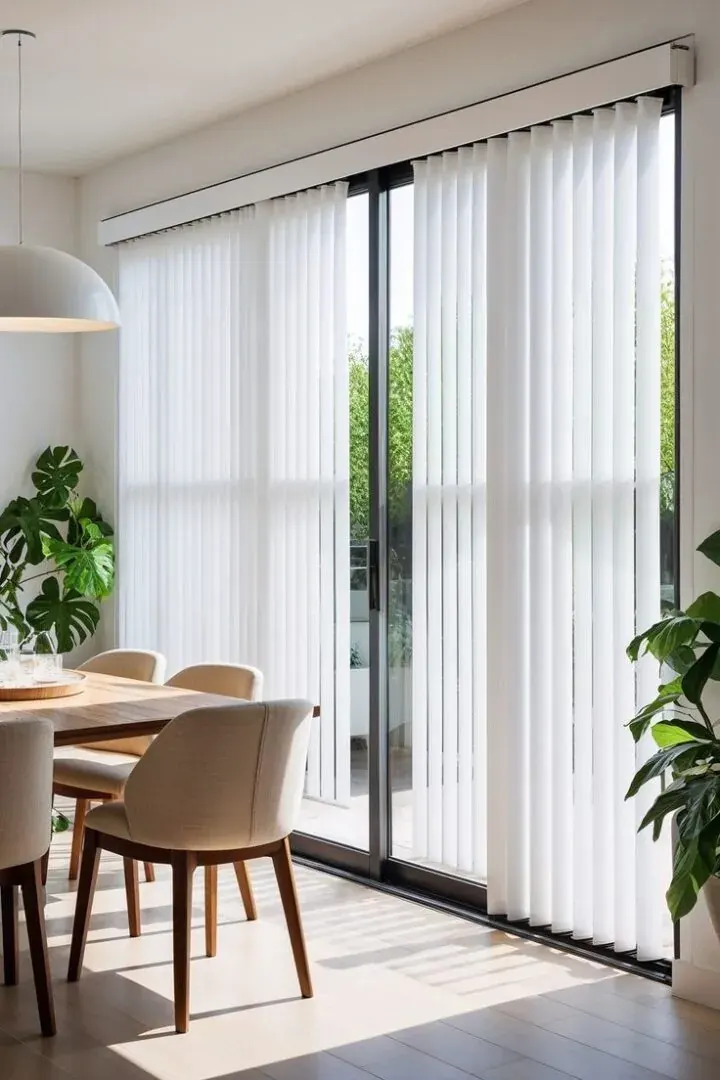
Setting up a nursery or a playroom means running through a mental checklist most parents never had to think about before, and the window covering rarely makes the first pass of that list. It belongs closer to the top than most people put it.
Why a Cord Is More Dangerous Than It Looks
The hazard is plain mechanics, not scare tactics. A pull cord or the loop on a continuous-loop blind hangs at a fixed length, and when a toddler standing on a bed or a windowsill gets a hand on it, that loop can end up around a neck faster than anyone expects. That's the real reason cordless costs what it costs. You're not paying for a nicer headrail, you're paying to remove a specific mechanical risk from the room.
Older stock is where this shows up most. If a Noblesville home still has the mini blinds that came with the house a decade or more ago, there's a real chance they're the looped-cord style that current manufacturing has largely moved away from. Nobody budgets to replace blinds that still work, which is exactly how outdated hardware sticks around in a kid's room the longest.
None of this is about assigning blame. Cord-based lift was the standard for decades, and most buyers never think to ask what's holding the blinds up when they tour a house. The point of paying attention now is that the fix is available and, in most cases, no longer expensive enough to put off.
Making the Blinds You Already Own Safer
Plenty of nurseries get set up in a room that already had blinds installed for a previous owner or a different use, and swapping them out doesn't always happen before the crib does. In that gap, a cord cleat wound tight and mounted high, well above where a growing toddler will eventually reach, is a reasonable stopgap for the first few months.
It's not a permanent fix, because kids outgrow "can't reach it" faster than parents expect, often within a year of starting to walk. Treat any interim fix in a nursery as something with an expiration date tied to the child's growth rather than the calendar, and plan the cordless swap before that date arrives rather than after.
If the nursery is being set up in a rental or a starter home you don't plan to stay in long-term, a temporary fix like a cord cleat combined with careful furniture placement may make more sense than a full cordless replacement, since it solves the immediate risk without a permanent investment in a window you won't own for long.
What Cordless Really Costs
Retrofitting existing blinds, where it's an option, typically costs a modest amount per window compared with buying new. Full replacement with cordless product runs the same national ranges as new construction, roughly $60 to $250 a window for stock and $200 to $600 installed for custom.
For a household prioritizing by room, it usually makes sense to replace the highest-risk windows first, meaning nurseries and playrooms, then any other bedroom with a crib or toddler bed, and let lower-traffic rooms like a formal dining room wait, or get by with an interim cord cleat, until the budget catches up with the rest of the house.
Budgeting doesn't have to mean doing the whole house in one order. Plenty of households replace the highest-priority windows first and set the remaining rooms on a slower schedule, sometimes over a year or two, treating it the same way they'd budget for any other room-by-room home project.
A nursery or playroom doesn't need every window in the house redone at once, just the ones where a kid actually spends time. Noblesville Window Treatments offers a free in-home measure focused on those rooms first, with cordless options sized and priced before the crib even arrives.
Cords, Cribs, and Furniture Placement
Placement advice doesn't change based on which type of cord is on the window, but it does explain why a "cord-free" wand blind still needs the same furniture rules as a looped-cord one. A wand hanging at crib height is still something a toddler can grab and yank on repeatedly, even though it can't form a strangulation loop the way a continuous loop can.
In a Noblesville nursery, the safest approach treats every corded or wanded product the same at the planning stage, keeping any hanging hardware away from wherever a crib or glider will sit, rather than sorting products into safe and not-safe categories and relaxing the furniture rules for the ones that seem lower risk.
This gets more complicated in a shared space like a playroom that multiple kids of different ages use, since a wand out of reach for a toddler is easily within reach for an older sibling who might hand it down. Treating the whole room as if the youngest child in it sets the rules keeps the logic simple.
How Cordless Lift Systems Actually Work
Cordless doesn't mean there's no mechanism, it means the mechanism moved inside the headrail. A spring motor or a friction clutch holds tension so the shade stays wherever you leave it. You grip the bottom rail directly and push up or pull down, and it holds. There's nothing hanging for a kid to find because there's nothing hanging.
Wood and faux wood blinds usually still use a wand for tilting the slats, since lift is the part that's gone cordless on most current lines. Roller and cellular shades drop cords entirely for both jobs, relying on that spring clutch. Motorized shades remove the question altogether, running on a battery or hardwired motor controlled by a remote or a wall switch instead, which also fixes windows mounted too high to reach comfortably by hand.
Frequently Asked Questions
My blinds are only a few years old. Are they already safe?
Age alone doesn't tell you the mechanism, since corded and cordless product have been sold side by side for years and both are still on shelves today. A blind bought within the last few years is more likely to be cordless than one from a decade ago, but it's not guaranteed, especially if it was a budget line or a basic big box store item. Checking the actual cord setup directly is more reliable than going by purchase date.
What should I do first if I have a baby coming and haven't touched the windows yet?
Start with furniture placement, since that costs nothing and can be done today: keep the crib and the glider off the window wall if the room layout allows it, and apply the same rule to a changing table. From there, a cord cleat or tension device on any existing corded blind buys time without spending much, and cordless replacements for the nursery windows specifically can follow once you've had a chance to measure and pick a fabric.
Do pets face the same risk as kids from window cords?
Cats especially can get tangled in a hanging cord while playing or jumping onto a windowsill, and the outcome can be just as serious as it is for a small child. The same fixes apply either way: cord cleats and tension devices, or a full switch to cordless product, remove the hazard for both a curious cat and a climbing toddler in the same move.
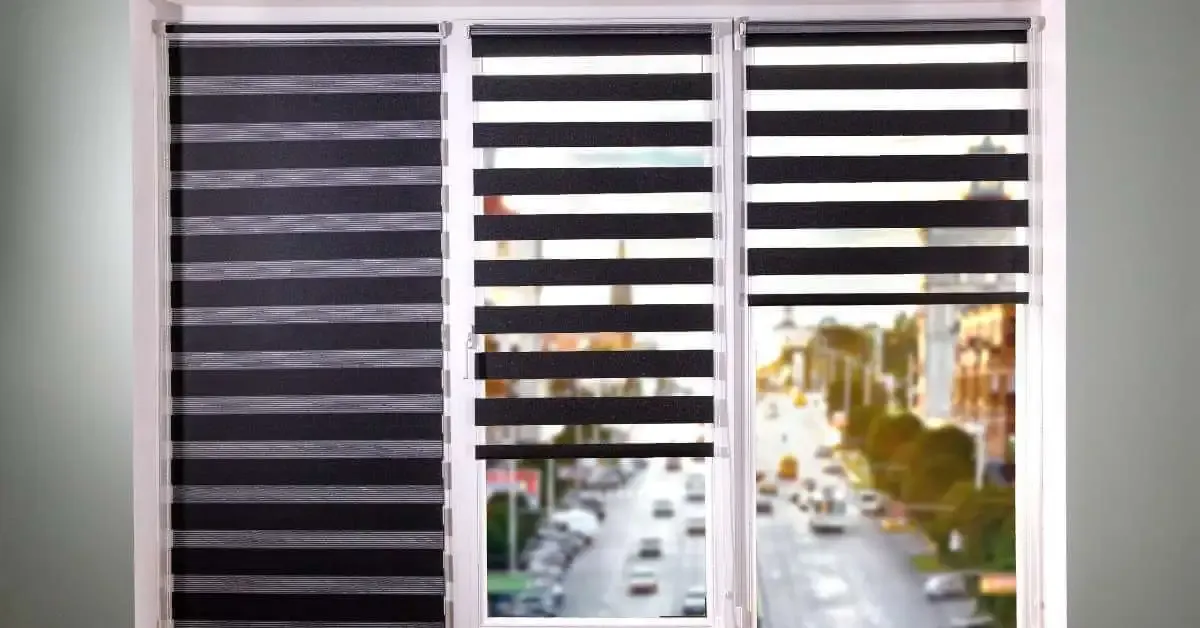 Blackout vs Room Darkening: What Actually Blocks More Light
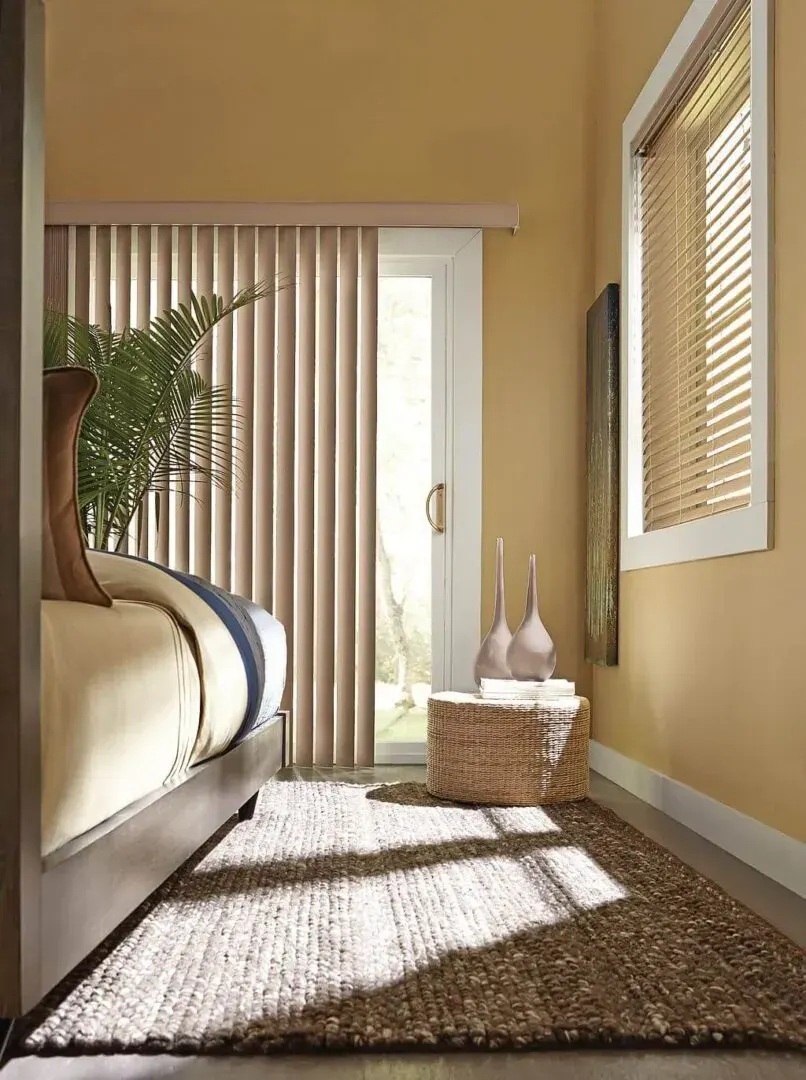 Inside Mount vs Outside Mount, Explained by Someone Who Installs Both
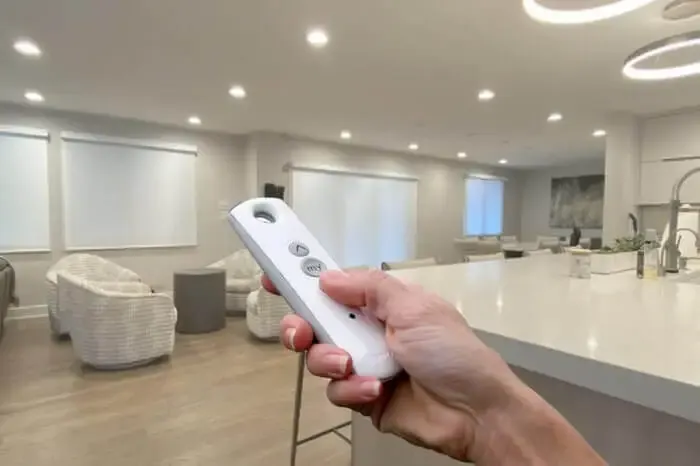 Which Smart Home Hub Fits Your Noblesville Shades