Inside Mount vs Outside Mount, Explained by Someone Who Installs Both
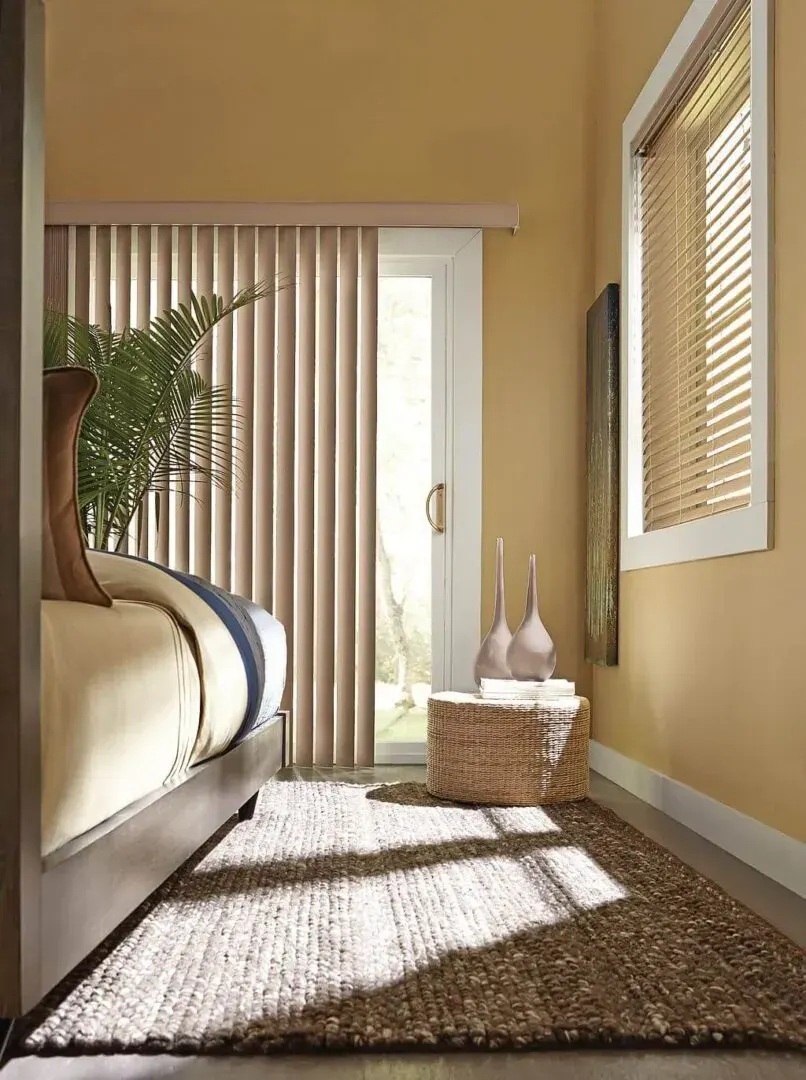
A blind that looks great in a showroom photo can look wrong on your own window if the mount doesn't match the opening. That mismatch is the single most common regret Noblesville homeowners mention after a rushed order, and it almost always traces back to a five minute decision made too fast.
Inside Mount and Outside Mount, Defined
Picture the window covering sitting two different ways. Inside mount tucks the whole unit into the frame opening itself, so the headrail lines up flush with the front of the frame and the trim stays fully visible around it. Outside mount does the opposite: the headrail attaches above the frame, on the wall or the trim, and the shade hangs down covering the opening from in front rather than fitting inside it.
A lot of Noblesville homeowners assume one option is simply the upgrade and the other is the budget choice, and that's not really true. Cost differences between the two are usually modest, tied more to the extra material an outside mount needs to fully cover the frame than to any real quality gap between the mounts themselves.
What actually decides it is the window in front of you. Some frames physically can't accept an inside mount no matter what you'd prefer to pay for. Others could go either way, and at that point it really is a matter of taste, room function, and how much light gap you're willing to live with.
Mixing Mounts and Getting a Consistent Look Room to Room
Here's something most people don't think about until they're halfway through an order: you don't have to pick one mount for the whole house. A Noblesville home with deep, original wood frames in the living room and shallower frames in the bedrooms might reasonably end up with inside mount in one room and outside mount in another.
What matters more for a consistent look is keeping the headrail style and color similar across rooms that are visible from each other. An open floor plan where the kitchen and living room share sightlines looks better with coordinating treatments even if the mounts differ.
Within a single room, though, try to stay consistent. A row of three windows on the same wall with one inside mount and two outside mount will look like a mistake even if each individual choice was correct for that window. If one window in a group genuinely can't take the same mount as its neighbors, it's worth discussing the tradeoff before ordering rather than after the boxes arrive.
There's no prize for guessing right on mount style, and getting it wrong on a custom order means living with the result or paying to redo it. Have someone check the depth, the trim, and the obstructions in person before you order, and the rest of the decision gets a lot simpler.
Why Homeowners Choose Outside Mount
Another myth: that outside mount is just the fallback for windows that can't do inside mount. Sometimes that's true, but plenty of homeowners choose it on purpose, even on windows with plenty of depth, because it closes the light gap entirely and can make a small window look larger by extending coverage past the actual glass.
It's also the more forgiving option structurally. An out-of-square frame, common in older Noblesville homes that have settled over the years, matters a lot less with outside mount since the header hangs from a level point above the opening rather than needing to fit snugly inside a crooked one.
The honest downside is size. To actually close those light gaps, the hardware needs to extend several inches past the frame on each side, which makes the finished product noticeably bigger than the window itself. On a small window, that can look heavier than expected if you haven't seen it measured out ahead of time.
Depth, Obstructions, and Other Mounting Realities
Whatever the room, the frame's actual depth overrides any preference. Faux wood blinds typically need 2 to 2.5 inches of clear space to sit inside a frame properly. Cellular shades can sometimes work with a bit less. Shutters need the most, generally 3 to 3.5 inches, because the panel frame adds real bulk inside the opening.
Kitchens and bathrooms are the rooms most likely to throw a curveball here, since they're also the rooms most likely to have cranks, locks, or plumbing eating into that depth. A bedroom window is usually simpler by comparison, with fewer obstructions to work around.
Sloped sills deserve their own mention, since they're easy to miss on a casual look. A sill that angles down toward the glass instead of sitting flat can make a blind sit crooked or rub against the glass with every use, even on a frame that measures deep enough on paper.
Why Homeowners Choose Inside Mount
Ask yourself if the trim around the window is something you want to keep seeing. If the answer's yes, that's a point toward inside mount, since it leaves the frame fully visible and just adds the blind or shade within it rather than covering any of the woodwork.
Ask next whether anything needs to sit close to the glass. Kitchen and bathroom windows often do, since cabinets, faucets, or towel bars can crowd the space where an outside mount headrail would otherwise need room to hang. Inside mount stays contained within the opening and avoids that conflict entirely.
The one question worth asking honestly is how much you care about a small light gap along the edges. Inside mount blinds are built slightly narrower than the opening so they can physically fit inside it, and that leaves a thin strip of light on the sides in most cases. It's rarely a dealbreaker, but it's worth seeing in person rather than discovering it after installation.
Frequently Asked Questions
Why does my window have a gap around the blind?
That's almost always an inside mount doing exactly what it's supposed to do. The headrail sits inside the frame rather than covering it, so a strip of frame stays visible on the sides and sometimes the top. It's not a defect, it's just how that mount works.
Is outside mount more expensive?
Not because of the mount itself. Outside mount usually needs a slightly wider blind to get full coverage, so the material cost can run a bit higher, but the difference is usually modest rather than dramatic.
What if my window frame is uneven or out of square?
That's a common reason to go with outside mount. It hangs from a straight header above the frame, so a crooked or out-of-square opening underneath it matters a lot less than it would with a blind trying to fit snugly inside the frame itself.
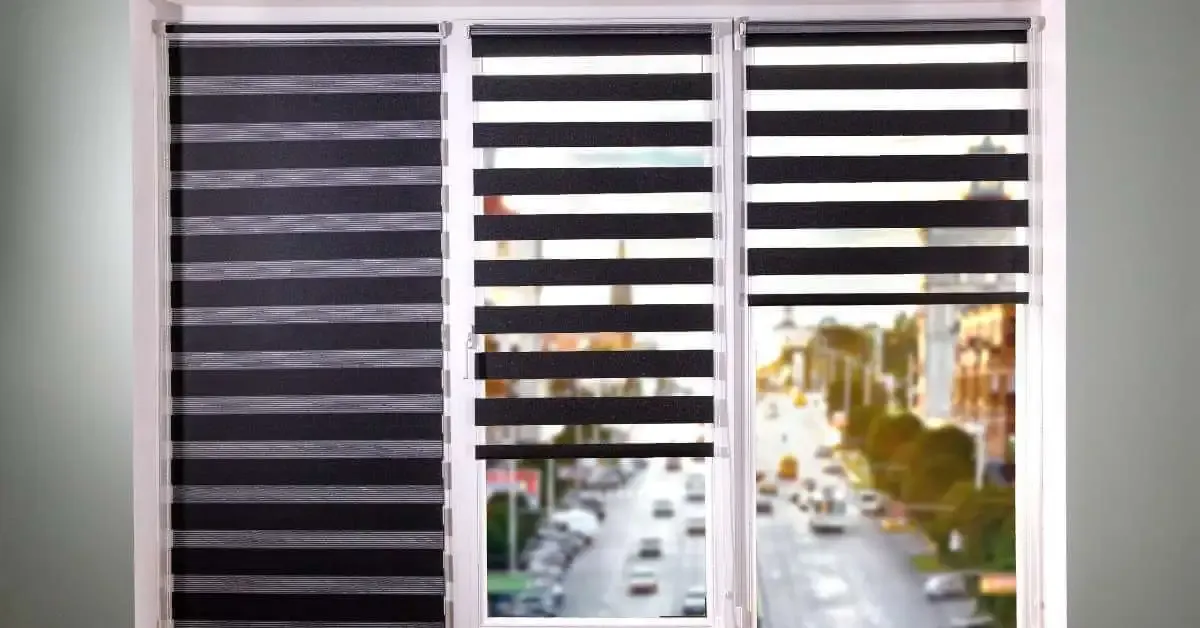 Blackout vs Room Darkening: What Actually Blocks More Light
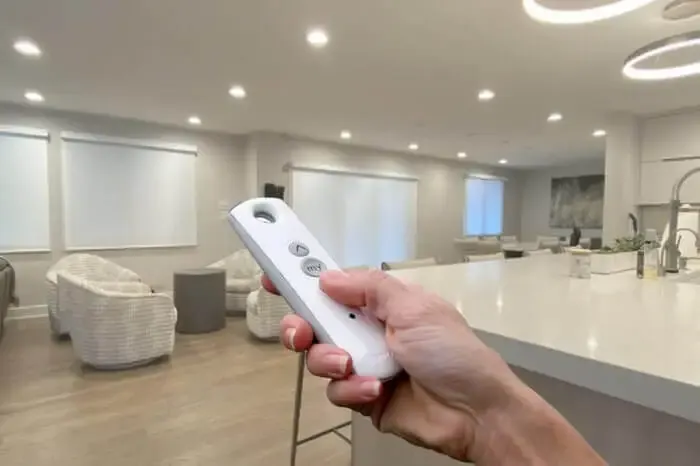 Which Smart Home Hub Fits Your Noblesville Shades
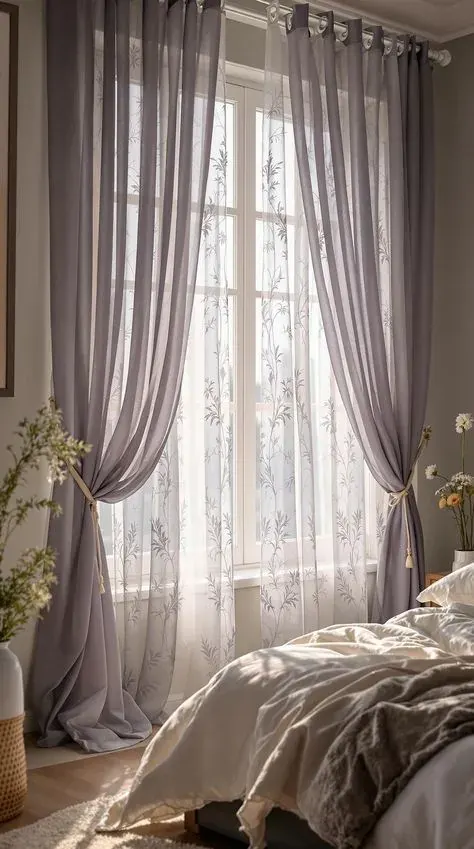 How Custom Drapery Gets Measured and Made Right in Noblesville